Source eco friendly portable crisper box for Food, Bedding, Tableware
Source eco friendly portable crisper box options from 30 verified suppliers. Compare specifications including material, capacity, and customization features for food, bedding, and tableware applications.
Key considerations
Products List


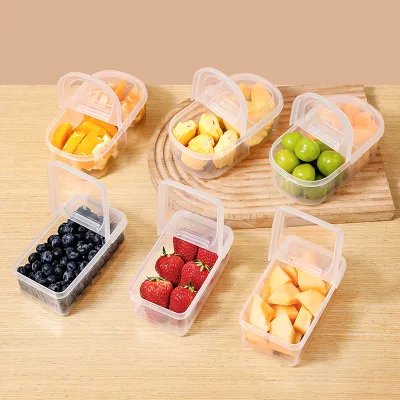
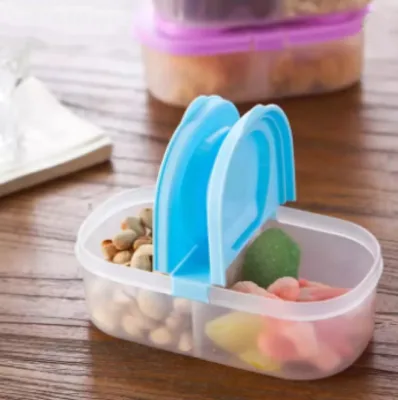


Comprehensive Sourcing Guide
Strategic Sourcing Guide for Eco-Friendly Portable Crisper Boxes
The global demand for sustainable food storage solutions has elevated the "eco-friendly portable crisper box" from a niche kitchen accessory to a critical procurement category for retailers and food service operators. Sourcing this specific product requires a nuanced understanding of material science, regulatory compliance, and supply chain logistics. Unlike generic storage containers, crisper boxes are engineered specifically to extend the shelf life of perishable produce by managing humidity and airflow. This guide provides a disciplined framework for buyers to navigate the market, ensuring that selected products meet both functional performance standards and environmental commitments without relying on unverified marketing claims.
Material Composition and Functional Design
The foundation of any eco-friendly crisper box lies in its material composition and structural design. In the current market, procurement data indicates a divergence between plastic and metal-based solutions, each offering distinct advantages for portable applications. Plastic variants are frequently cited for their lightweight nature and cost-effectiveness, with observed product attributes confirming materials such as standard plastics designed for food contact. These units often feature a rectangular or square footprint, with dimensions ranging from compact sizes suitable for individual portions to larger units capable of holding 1000ml to 3300ml of volume. The "Countryside Style" aesthetic observed in some listings suggests a design trend that blends functionality with a rustic visual appeal, which can be a significant differentiator in consumer-facing retail environments.
Conversely, metal-based options, specifically those utilizing stainless steel types, offer superior durability and thermal properties. These units are often marketed with features such as "Steamable" capabilities, indicating a versatility that extends beyond simple cold storage to include heating applications. The metal construction supports a "Multicolor" design palette, allowing for branding opportunities that plastic counterparts may limit. When evaluating portable crisper boxes, buyers must verify the specific material grade. While "Plastic" is a broad category, the specific polymer type determines the box's resistance to cracking, its transparency, and its ability to maintain structural integrity under varying temperatures. Similarly, for metal options, the specific alloy grade is critical for ensuring the box does not corrode or leach metals into food products. The "Freshness Preservation" feature is a primary functional claim associated with these units, often achieved through specific ventilation designs or sealing mechanisms that regulate the internal microclimate.
Regulatory Compliance and Certification Verification
In the food contact sector, regulatory compliance is not merely a suggestion but a mandatory requirement for market entry. Buyers must rigorously verify that all crisper boxes possess valid certifications from recognized bodies. The supply data highlights the presence of FDA and LFGB certifications, which are the gold standards for food safety in the United States and the European Union, respectively. The FDA certification ensures that the materials used do not leach harmful substances into food, while LFGB provides a comprehensive safety assessment for European markets, often including stricter migration limits.
When sourcing, procurement teams should not rely solely on the presence of a certification logo on a product listing. Instead, they must request the specific test reports and certificate numbers from the supplier. It is important to note that while some products are listed with "Eco-Friendly" features, this term is not a regulated standard in itself. Buyers should look for specific attributes such as "Stocked" availability, which may imply a ready-to-ship inventory, but must be cross-referenced with the actual production capacity. Furthermore, the "OEM/ODM: Accept" attribute indicates that suppliers are open to customization, which is a crucial factor for brands seeking to align the product with their own sustainability goals. However, customization must not compromise the underlying food safety certifications. Any modification to the mold, material, or coating must be re-certified to ensure continued compliance with FDA or LFGB standards.
Cost Drivers and Minimum Order Quantity Analysis
The total cost of ownership for eco-friendly crisper boxes is influenced by several variables, including material costs, customization requirements, and order volume. The observed market data reveals a significant variance in Minimum Order Quantities (MOQ), ranging from 50 sets to as high as 20,000 units. This wide range suggests a market segmented between small-batch retailers and large-scale distributors. For buyers with limited capital or those testing a new product line, suppliers offering an MOQ of 50 to 100 pieces provide a lower barrier to entry. However, these lower MOQs often come with a higher unit price, as seen in the observed price range of $0.01 to $7.00 USD.
The price differential is largely driven by the material type and the complexity of the design. Metal crisper boxes, particularly those with multi-tiered designs or specialized thermal features, typically command a higher price point compared to single-material plastic units. Additionally, the "3 in one" configuration observed in certain models, which may include multiple sizes or components in a single package, adds value but also increases the complexity of the supply chain. Packaging is another critical cost driver. Products listed with "Plain Carton" or "Each Packed in a Polybag" packaging offer different levels of protection and retail readiness. Custom packaging, while enhancing brand visibility, will inevitably increase the per-unit cost. Buyers should calculate the total landed cost, including shipping and duties, rather than focusing solely on the FOB price. The "Delivery Time" of "Within 30 Days" is a standard lead time for many suppliers, but this can fluctuate based on raw material availability and seasonal demand peaks.
Typical Applications and Usage Scenarios
The versatility of eco-friendly portable crisper boxes allows them to serve a wide array of applications beyond the traditional kitchen. The observed usage categories include "Food," "Tableware," "Spice," "Sundries," and "Garage" storage. This breadth of application indicates that these products are being marketed as multi-purpose organizational tools. In a food service context, crisper boxes are essential for maintaining the freshness of produce in commercial kitchens, salad bars, and catering operations. The "Freshness Preservation" feature is particularly valuable here, as it reduces food waste and extends the shelf life of high-value items like leafy greens and berries.
For retail environments, these boxes serve as both storage and display units. The "Rectangular" and "Square" shapes are optimized for stacking, maximizing shelf space in grocery stores and specialty food shops. The "Unicolor" and "Multicolor" options allow retailers to match the storage units to their store's aesthetic or to color-code different types of produce. In the residential sector, the "Countryside Style" and "Portable" nature of these boxes appeal to consumers looking for aesthetically pleasing kitchen organization. The ability to fold or unfold, as indicated by the "Folded: Unfolded" attribute, suggests that some models are collapsible, offering space-saving benefits for home users with limited storage. Additionally, the "Thermal" usage attribute points to potential applications in meal prepping and transporting food, where temperature control is essential.
Supplier Evaluation and Quality Control Protocols
Selecting the right supplier is as critical as selecting the right product. Buyers should prioritize suppliers who demonstrate transparency in their manufacturing processes and provide clear documentation of their quality control measures. The presence of "Customization: Available" and "OEM/ODM: Accept" attributes suggests that the supplier has the flexibility to adapt to specific buyer requirements. However, flexibility should not come at the expense of quality. Buyers must establish a robust quality control protocol that includes pre-production sample approval, in-process inspections, and pre-shipment inspections.
When evaluating potential suppliers, buyers should verify the consistency of their production standards. The observed "prod_standard" dimensions, such as (L)31.5*(W)21.5*(H)8.8cm or 23.116.68.7cm, indicate that suppliers have established mold specifications. Deviations from these standards can lead to fitment issues in retail shelving or consumer dissatisfaction. Buyers should also assess the supplier's capacity to handle the required order volume. The "Capacity" of 500-1000ml or 3300ml suggests different product lines, and the supplier must be able to maintain quality across all variants. Furthermore, the "prod_packing" method, whether "Carton" or "Plain Carton," must be verified to ensure that the products arrive in good condition. A supplier with a history of consistent delivery times and a low defect rate is preferable to one that offers lower prices but lacks reliability.
Long-Term Procurement and Sustainability Considerations
Sourcing eco-friendly products requires a long-term perspective that extends beyond the initial purchase. Buyers should consider the lifecycle of the crisper box, including its durability, recyclability, and end-of-life disposal. While the "Eco-Friendly" label is a common marketing term, buyers should seek concrete evidence of sustainability, such as the use of recycled materials or biodegradable components. The "Food Container Feature" of "Freshness Preservation" directly contributes to sustainability by reducing food waste, a significant environmental concern.
Long-term procurement strategies should also account for the potential for product iteration. As consumer preferences shift towards more sustainable materials, suppliers who are willing to innovate and adopt new technologies will be better positioned to meet future demands. The "Design: Fruit or Customized" attribute indicates that suppliers are open to creative input, which can be leveraged to create unique product lines that stand out in the market. Additionally, buyers should consider the environmental impact of the packaging. "Each Packed in a Polybag" may be convenient but could be less sustainable than bulk "Carton" packaging. Aligning the packaging strategy with the overall sustainability goals of the organization is essential for maintaining brand integrity.
Comparative Analysis of Product Specifications
To facilitate informed decision-making, the following table summarizes the key specifications observed in the market for eco-friendly portable crisper boxes. This comparison highlights the diversity in materials, capacities, and certifications available to buyers.
| Feature | Plastic Variant | Metal Variant | Multi-Size Set |
|---|---|---|---|
| Material | Plastic | Stainless Steel | Mixed (Plastic/Metal) |
| Shape | Rectangular / Square | Square | Rectangular / Square |
| Capacity | 500-1000ml / 3300ml | Not Specified | 13.611.18.1 cm to 29.322.69.5 cm |
| Certification | FDA (Observed) | FDA (Observed) | FDA (Observed) |
| Key Feature | Freshness Preservation | Steamable / Thermal | 3 in 1 Configuration |
| MOQ | 50 sets / 100 PCS | 500 | 50 sets |
| Style | Countryside Style | Multicolor | Customized |
| Packing | Carton / Plain Carton | Polybag | Customized |
This table illustrates that while there is significant overlap in certifications and basic shapes, the material and functional capabilities vary widely. Buyers must align these specifications with their specific operational needs and target market expectations. By carefully evaluating these factors, procurement teams can secure a supply chain that delivers high-quality, eco-friendly crisper boxes that meet both functional and environmental standards.
FAQs
What certifications do eco friendly portable crisper boxes have?
Available products hold FDA and LFGB certifications for food safety compliance. These certifications verify that materials do not leach harmful substances, ensuring the boxes meet strict regulatory standards for both US and EU markets.
Which materials are used for these portable crisper boxes?
The market offers both plastic and stainless steel variants for this product category. Plastic options provide lightweight storage, while metal versions often feature steamable capabilities and superior thermal properties for diverse usage scenarios.
Can buyers customize the design and size of these boxes?
Yes, customization is available for design, including fruit patterns or specific branding requests. Suppliers also accept OEM and ODM orders, allowing buyers to tailor specifications like dimensions and packaging to their unique requirements.
What is the typical minimum order quantity for these items?
Minimum order quantities range from 50 sets to 20,000 units depending on the supplier and product model. Lower MOQs like 50 sets allow for smaller batch testing, while larger orders often secure better pricing tiers.
How do these boxes preserve food freshness effectively?
These boxes feature specific designs for freshness preservation by regulating humidity and airflow. The structural integrity and material choice help maintain an optimal microclimate, extending the shelf life of perishable produce and reducing food waste.
What are the standard dimensions for these storage containers?
Standard dimensions vary by model, with common sizes including 31.5x21.5x8.8cm and 23.1x16.6x8.7cm. Some sets offer multiple sizes in a single package, ranging from compact 13.6cm units to larger 29.3cm containers.
How long does delivery take for these sourced products?
Typical delivery times are within 30 days from the supplier location in China. This lead time accounts for production and packaging, though actual schedules may vary based on order volume and specific customization requirements.